
Finding good tennis lessons shouldn’t feel harder than learning a topspin backhand. The short answer is this: the right lesson nearby is one that fits your skill level, your schedule, and your motivation — not the one that looks flashiest online. For beginners and returning players, a practical approach beats guesswork every time.
Below is a grounded, no-nonsense guide to finding tennis lessons that actually help you improve, enjoy the game, and stick with it.
Why do so many people quit tennis after a few lessons?
Anyone who’s tried picking up tennis as an adult knows the feeling. The first session is fun. The second is awkward. By the third, the ball feels like it’s actively avoiding your racquet.
This drop-off usually happens for one reason: mismatch.
Lessons pitched too advanced trigger loss aversion — nobody likes feeling incompetent.
Sessions that feel random or chaotic break commitment and consistency.
Coaches who talk technique without context lose liking and trust.
The result? People quietly stop booking sessions.
The fix isn’t talent. It’s choosing lessons designed for where you actually are.
What type of tennis lessons suit beginners best?
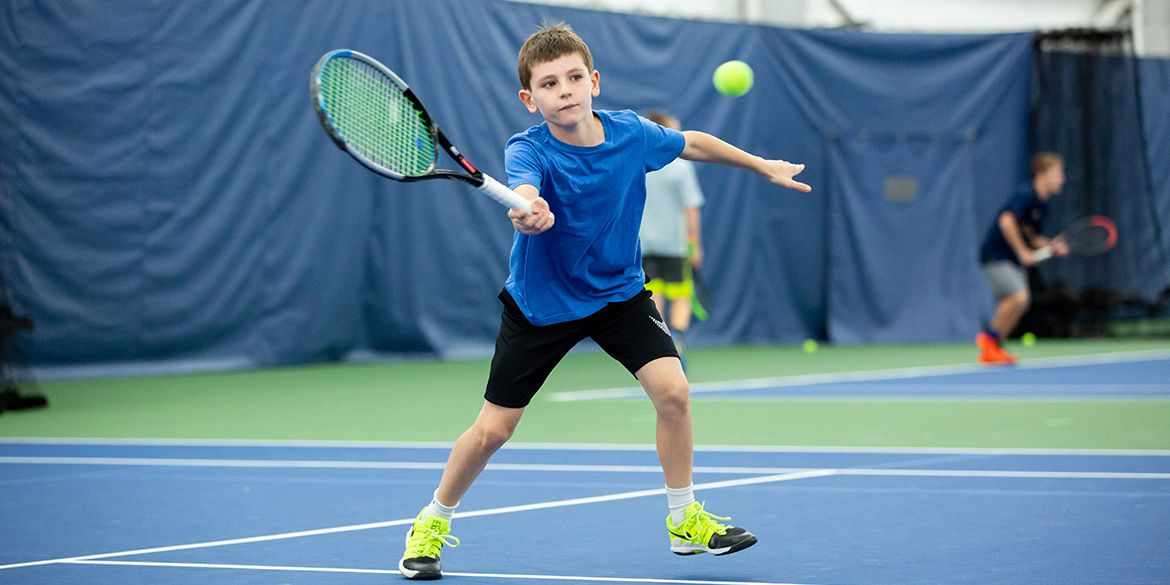
If you’re new or returning after years away, the goal isn’t perfection. It’s confidence.
The most effective beginner lessons usually share a few traits:
Small group sizes that lower pressure and add social proof (you’re not the only one missing shots).
Clear structure so progress feels visible.
Early rallies instead of endless drills — hitting the ball matters more than textbook swings.
Group lessons work particularly well here. Behaviourally, they reduce fear of failure and increase follow-through. When others show up each week, you’re more likely to as well.
Should returning players start at beginner level again?
Short answer: yes — and that’s a good thing.
Returning players often remember what tennis should look like, but the body doesn’t always agree. Starting one level lower protects confidence and rebuilds muscle memory without frustration.
Coaches see this pattern constantly. Players who reset basics for a few weeks progress faster than those who push ahead too soon. That’s framing effect in action: starting “fresh” feels constructive, not regressive.
How do you tell if a coach is actually good?
Certificates matter. Experience matters more.
Strong coaches tend to:
Explain why a drill exists, not just how to do it.
Adjust cues mid-session based on what they see.
Balance correction with encouragement.
Authority isn’t about barking instructions. It’s about clarity. When a coach explains something simply and you feel immediate improvement — that’s real expertise.
Many community programs also align with national standards. Tennis Australia, for example, outlines clear pathways for player development and accredited coaching programs, which adds an extra layer of trust and consistency .
Are private lessons worth it for beginners?
Sometimes — but not always.
Private lessons shine when:
You have a specific goal (serve, injury return, competition prep).
Your schedule doesn’t suit group times.
You prefer focused, quiet learning.
Group lessons win when motivation is fragile. The shared rhythm creates accountability, which behavioural science consistently shows increases long-term adherence.
A blended approach often works best: group lessons for momentum, with occasional one-on-one sessions to fine-tune.
What should you look for in a local tennis program?
Location matters more than people admit. Convenience drives behaviour.
When lessons are nearby:
Attendance increases.
Excuses disappear.
Tennis becomes routine, not an event.
Programs run through community facilities — including centres like YMCA Leisure City — often prioritise accessibility over prestige. That’s a quiet advantage for beginners. These environments are designed to welcome, not intimidate.
How much should tennis lessons cost?
Prices vary, but value comes from structure, not session length.
A cheaper lesson that feels disorganised costs more in lost motivation. A slightly higher fee with clear progression, consistent coaching, and reliable scheduling usually delivers better returns — emotionally and skill-wise.
Think of lessons less as a purchase and more as a habit you’re installing.
Quick checklist before you book
Do lesson levels clearly match your experience?
Is progression explained upfront?
Are class sizes reasonable?
Does the location make weekly attendance easy?
Do you feel comfortable asking questions?
If the answer is mostly yes, you’re in the right place.
FAQs
How long before beginners see improvement?
Most players notice better contact and confidence within 3–5 sessions if lessons are structured well.
Is tennis hard to learn as an adult?
It’s challenging, but adults often learn faster tactically. Patience beats power early on.
How often should I take lessons?
Once a week is enough to build skill and consistency without burnout.
Finding the right tennis environment is less about chasing the “best” program and more about choosing one you’ll actually stick with. When lessons are close, welcoming, and well-paced, improvement follows naturally. That’s why many players searching for tennis lessons near me end up progressing further than they expected — simply because they kept turning up.







Write a comment ...